

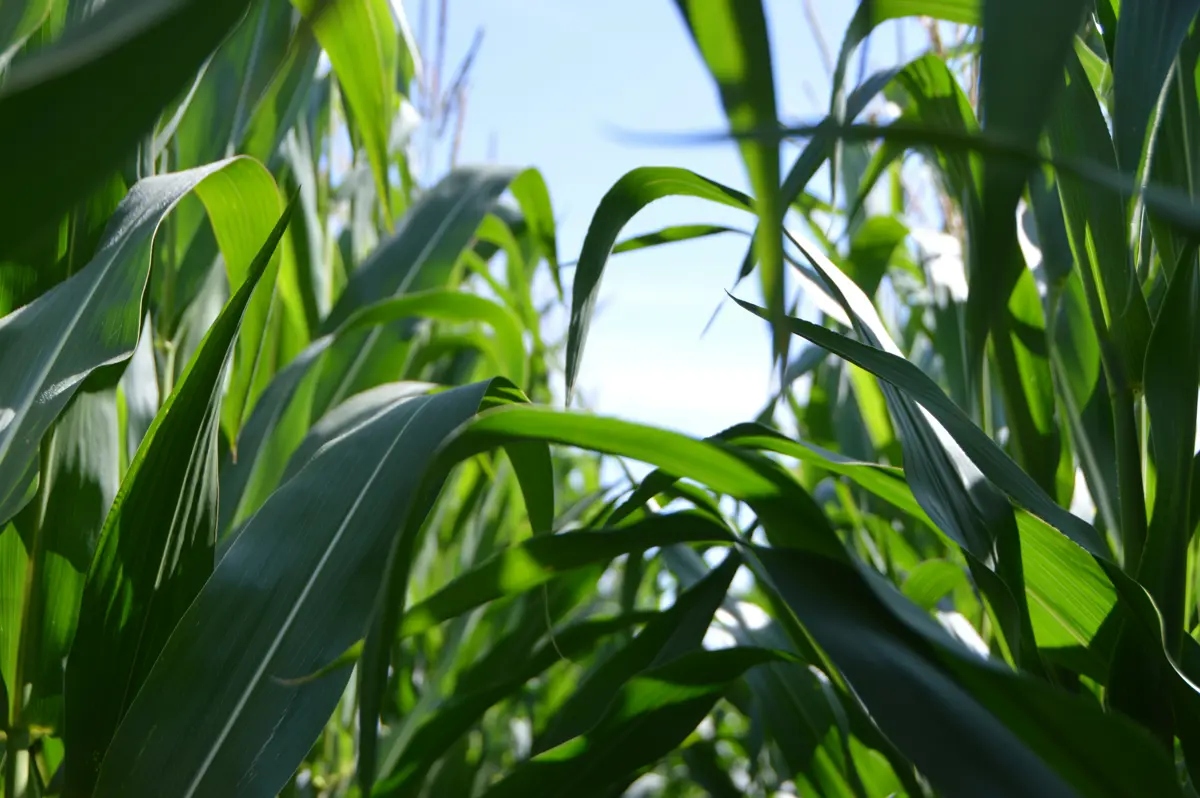
Maize on your whenua
In Aotearoa, maize grows best in warmer climates as it is sensitive to frosts. Maize doesn't like to be too wet or too dry and also needs warm enough temperatures for the development of the grain.
Priority
Indicator

This factsheet describes the key things you'll need to think about if you're considering growing maize grain on your whenua.
-
-
How to use this information safely
-
This data shows how suitable your area is for growing maize, and the yield you could expect. The suitability is based on crop suitability models developed by Plant and Food Research in 2021, using climate data from NIWA and land data from Manaaki Whenua Landcare Research. Crop experts then estimated a yield range for each level of suitability, using national average yields and the highest yields from New Zealand fields. The models look at climate and land data averaged over a grid, so they don't take into account things like small land features, how the land is used now, or the risk of pests and disease.
It's a good way to compare land use options in your area, but things on your own whenua could be different. Before you make any big decisions for your whenua, you should consider getting advice from an expert.
-
-
Maize thrives in warm climates and is sensitive to frost. Maize crops grow best on whenua is flat and easy to access.

-
-
Using this information safely
-
This data shows how suitable your area is for growing maize. It's based on crop suitability models developed by Plant and Food Research in 2021, using climate data from NIWA and land data from Manaaki Whenua Landcare Research. The models look at climate and land data averaged over a grid, so they don't take into account things like small land features, how the land is used now, or the risk of pests and disease.
It's a good way to compare land use options in your area, but things on your own whenua could be different. Before you make any big decisions for your whenua, you should consider getting advice from an expert.
-
-
About the crop suitability model
-
The information on this page is based on crop suitability models created by researchers at Plant and Food Research in 2021. They used climate data from NIWA and land data from Manaaki Whenua Landcare Research to create the models and then weighted and fine-tuned the results with the help of horticultural experts and industry data.
It is important to understand that the information on this page is indicative only and does not take into account things like existing land uses or pest and disease risk. Because the data is averaged out over a grid it may not take into account small land features or local climate variations.
If you’re comfortable using data and mapping tools or you’d like to explore more about Whitiwhiti Ora and their datasets, visit their website.
-
-
This table shows a per hectare breakdown of how suitable your whenua is to grow maize.
The potential yield for maize is the most grain that can be harvested from your whenua. This is with ideal growing conditions and proper farming.

-
-
Using this information safely
-
This data shows the yield you could expect from maize in your area. It starts with how suitable your area is for growing maize. That's based on crop suitability models developed by Plant and Food Research in 2021, using climate data from NIWA and land data from Manaaki Whenua Landcare Research. Crop experts then estimated a yield range for each level of suitability, using national average yields and the highest yields from New Zealand fields. The models look at climate and land data averaged over a grid, so they don't take into account things like small land features, how the land is used now, or the risk of pests and disease.
It's a good way to compare land use options in your area, but things on your own whenua could be different. Before you make any big decisions for your whenua, you should consider getting advice from an expert.
-
-
About the crop suitability model
-
The information on this page is based on crop suitability models created by researchers at Plant and Food Research in 2021. They used climate data from NIWA and land data from Manaaki Whenua Landcare Research to create the models and then weighted and fine-tuned the results with the help of horticultural experts and industry data. Crop yield values were estimated by experts using published data.
It is important to understand that the information on this page is indicative only and does not take into account things like existing land uses or pest and disease risk. Because the data is averaged out over a grid it may not take into account small land features or local climate variations.
If you’re comfortable using data and mapping tools or you’d like to explore more about Whitiwhiti Ora and their datasets, visit their website.
-
-
This table shows a per hectare breakdown of the potential yield of maize (grain) on your whenua.
Maize farming can be profitable on small (5-hectare) and large farms. Profitability depends on various factors including:
- your proximity to markets
- the efficiency of crop production
- market supply and demand
- operational efficiencies.

-
-
Using this information safely
-
Economic factors are highly dependent on management practices and market conditions so the information on this page is indicative only. You can safely use this information for conversations and for screening and scoping land use options at a regional level, but it is not accurate at the scale of an individual farm. If you want to make land use change decisions for your specific farm or land block you should conduct further investigations or consult an expert.
-
-
About the information
-
The information on this page was developed by LWP Ltd based on published economic data from industry bodies and crop suitability models created by researchers at Plant and Food Research in 2021. The underlying yield and production values are estimates based on a number of assumptions and do not take into account quality control or pest and disease impacts. FTE values were calculated using a standard cost assumption of $52,345/FTE.
If you’re comfortable using data and mapping tools or you’d like to explore more about Whitiwhiti Ora and their datasets, visit their website.
-
-


-
-
Using this information safely
-
Economic factors are highly dependent on management practices and market conditions so the information on this page is indicative only. You can safely use this information for conversations and for screening and scoping land use options at a regional level, but it is not accurate at the scale of an individual farm. If you want to make land use change decisions for your specific farm or land block you should conduct further investigations or consult an expert.
-
-
About the information
-
The information on this page was developed by LWP Ltd based on published economic data from industry bodies and crop suitability models created by researchers at Plant and Food Research in 2021. The underlying yield and production values are estimates based on a number of assumptions and do not take into account quality control or pest and disease impacts. FTE values were calculated using a standard cost assumption of $52,345/FTE.
If you’re comfortable using data and mapping tools or you’d like to explore more about Whitiwhiti Ora and their datasets, visit their website.
-
-

-
ShareYour PDF is processing
Your PDF will download to this device shortly. It can take up to a minute on a slow connection. Please do not close your browser.