


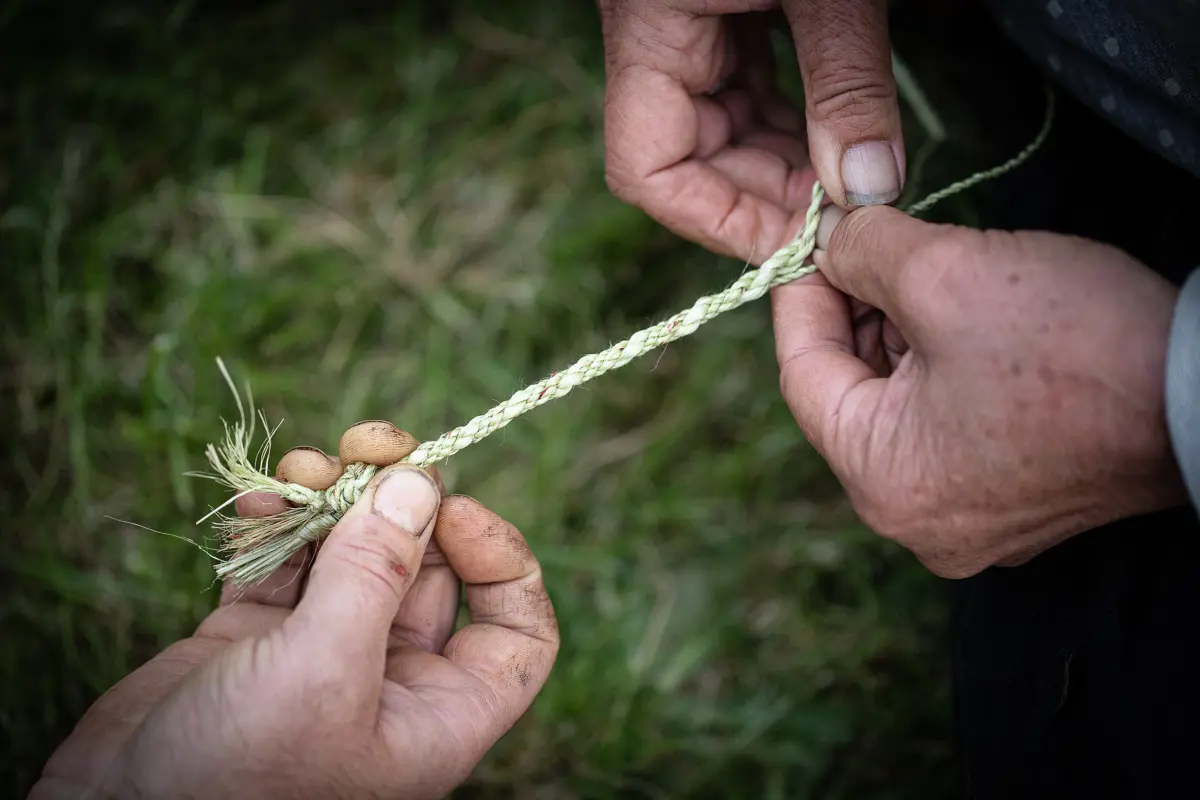
Weaving plants
-
Harakeke (New Zealand flax) is the most widely used native plant in both traditional and contemporary weaving, but several other species are also used for their distinctive qualities.
The dataset - what is it?
Data is provided on Manaaki Whenua/ landcare Research website. The weaving plants covered are Harakeke, Wharariki, Houhere, Karetu, Kiekie, Kuta, Kapungawha, Neinei, Inanga, Pingae, Raupo, Ti Kouka, Tikumu, Toetoe, and Toi. For each weaving plants there is a fact sheet covering distribution, foliage, lifecycle and propagation, threats and harvesting.
Why it's important
Weaving plants are of high cultural significance. This resource can help with the continued practice and maintenance of the weaving plant resources.
-
-
How to use this information safely
-
These are fact sheets from Manaaki Whenua Landcare Research on 15 native plants used for weaving, including harakeke, kiekie and toetoe. They cover where each grows, its life cycle and propagation, threats and harvesting.
They're a good way to start thinking about which fibre plants to protect or plant, but what suits your whenua could be different. Before you make any big decisions for your whenua, you should consider getting advice from an expert.
-
-
-
Please note:
While aimed at learners of the weaving art, the information can also provide information on indigenous fibre plants of historical and/or potential value and may assist in informing conversations around conservation and planting of traditional fibre plants.
Your PDF will download to this device shortly. It can take up to a minute on a slow connection. Please do not close your browser.
Locate and explore different uses for your whenua
Tell us a bit about your whenua and what matters to you and your whānau.